
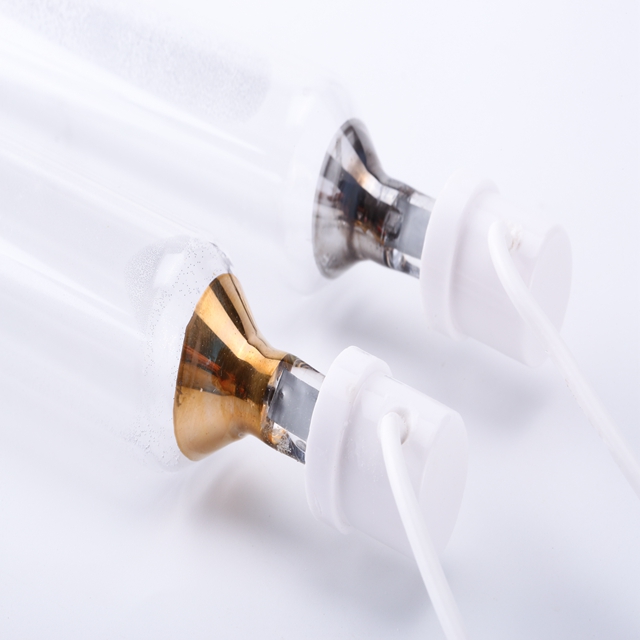
UV Problems and Solutions
Common Problems and Solutions in UV Coating
1. “Pockmarks”
Causes:
a. Ink crystallization has occurred.
b. High surface tension, resulting in poor ink wetting.
Solution:
a. Add 5% lactic acid to the UV coating to break the coating film, remove the oil, or perform a roughening treatment.
b. Reduce the surface tension by adding a surfactant or a solvent with lower surface tension.
2. Streaks and Wrinkles
Causes: The UV coating is too thick and the coating amount is too large. This mainly occurs during roller coating.
Solution: Reduce the viscosity of the UV coating and dilute it with an appropriate amount of alcohol solvent.
3. Orange Peel
Causes:
a. The UV coating has high viscosity and poor leveling.
b. The coating roller is too rough and not smooth, and the coating amount is too large.
c. Uneven pressure.
Solution:
a. Reduce the viscosity and add a leveling agent and an appropriate solvent.
b. Use a thinner coating roller and reduce the coating amount. c. Adjust the pressure.
4. Stickiness
Causes:
a. Insufficient UV light intensity or excessive machine speed.
b. UV varnish stored for too long.
c. Excessive addition of non-reactive diluent.
Solution:
a. When the curing speed is less than 0.5 seconds, the UV light power should be no less than 120W/cm2.
b. Add a certain amount of UV varnish curing accelerator or replace the varnish.
c. Use diluent appropriately.
5. Uncoated or smeared
Causes:
a. Crystallized oil, dusting, etc. on the printed ink surface.
b. Excessive blending oil and drying oil in the water-based ink.
c. UV varnish viscosity is too low or the coating is too thin.
d. The anilox roller is too thin.
e. Improper curing conditions.
f. Poor adhesion of the UV varnish itself or the printed material. Solution:
a. Eliminate the crystallized layer by roughening, degreasing, or adding 5% lactic acid.
b. Select ink auxiliary materials that match the UV varnish process parameters, or wipe with a cloth.
c. Use a UV varnish with a high viscosity and increase the coating amount.
d. Replace the anilox roller that matches the UV varnish.
e. Check for aging of the UV lamp or inappropriate machine speed, and select appropriate drying conditions.
f. Apply primer or replace with a special UV varnish or select one with good surface properties.